How mold remediation works after a leak
Mold in a house nearly always has a water story behind it: a slow drip under a sink, a roof leak nobody saw from inside, a wall that stayed wet after a supply line let go. EPA guidance starts from moisture for that reason: keep a house dry and mold spores in it stay dormant. Remediation that does not find and fix that water is only cleaning, and the mold grows back. If the water is still there, start with water damage restoration in Chula Vista and treat the mold once the house is dry.
For anything bigger than a small patch, the work goes in a set order.
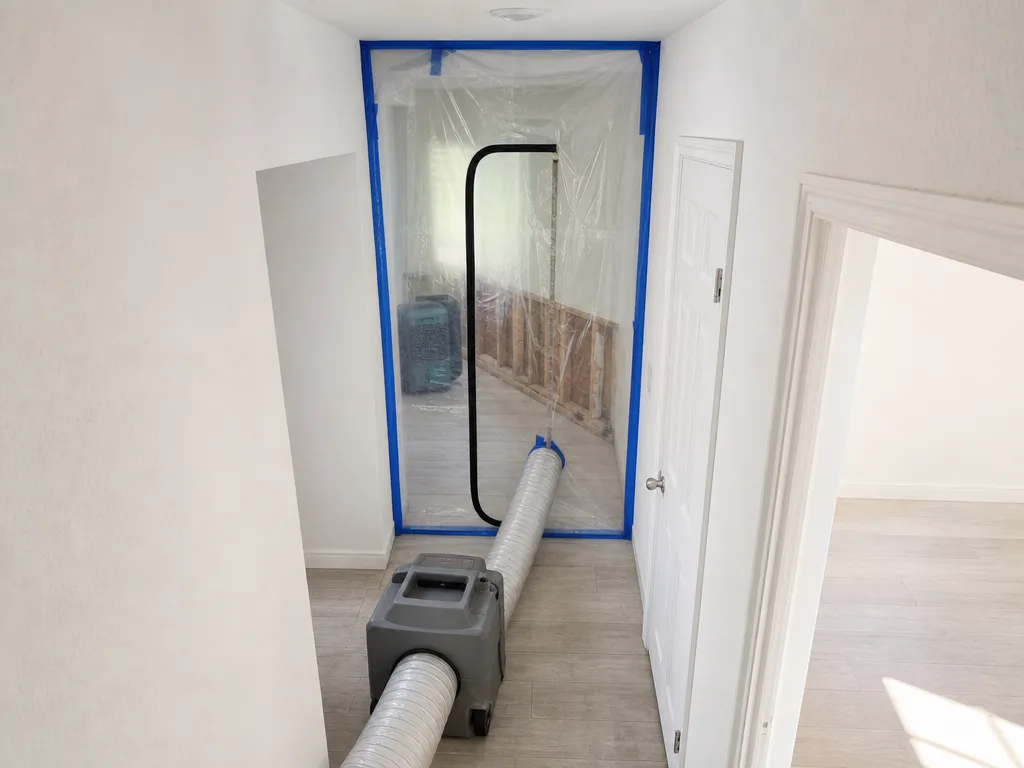
- The area is sealed off. EPA guidance for remediation is to contain the work so that mold and moldy debris do not spread to the rest of the building, and to keep the contained area under negative pressure so its air does not flow into the rooms next to it.
- What the mold has grown into comes out. Porous materials that are wet and moldy “may have to be discarded”, the EPA says, because mold works into them and can be impossible to remove completely. In a house that usually means drywall, insulation and carpet.
- Surfaces are cleaned, and the EPA recommends HEPA vacuums for the final cleanup once materials are dry and the contaminated ones are gone.
- The cause is fixed and the structure dried, and only then is anything rebuilt.
After a sewage backup the same thing happens faster, because anything left wet grows mold like any other wet material. Sewage cleanup in Chula Vista covers what has to be thrown out there.
Mold removal vs mold remediation
“Mold removal” is what most people search for, and taken literally it promises something nobody can do. According to the EPA, some spores will always drift through indoor air and settle in the dust, so a house with zero mold does not exist. What those spores cannot do is grow without moisture.
Remediation is the more honest word for the job. It removes the growth and whatever it has rooted into, cleans what can be cleaned and dries the house, so the spores that remain have nothing to live on. If a company promises to get every bit of mold out of your home, ask what it means by that.
Black mold removal
People say “black mold” for any dark growth, and plenty of molds are dark. The color does not change the job. The EPA’s advice for homeowners turns on the size of the area, not on what color the mold is, and the same containment, removal and drying apply either way.
What mold does to people is a better reason to take it seriously. “For some people, mold can cause a stuffy nose, sore throat, coughing or wheezing, burning eyes, or skin rash,” according to the CDC, and people with asthma or mold allergies may react severely.
Mold remediation in Chula Vista, CA: what it costs
This site has done no jobs and publishes no Chula Vista price. The figures below are national ones from two cost guides, so you can check them yourself.
| Source | What it publishes |
|---|---|
| This Old House, updated March 11, 2026 | $1,200 to $3,750 for professional remediation, average $2,300; $10 to $25 per square foot |
| HomeGuide | $1,500 to $6,000 on average; $15 to $30 per square foot |
The gap between the two guides tells you something: the size of the area and how much has to be torn out move the price more than anything else. A patch on a shower ceiling and a closet wall opened to the studs are different jobs. The water damage restoration cost page covers the drying and repair that often come along with mold work.
Does home insurance cover mold remediation in California?
Sometimes. The answer turns on the source of the water. The California Department of Insurance tells homeowners to report any water damage claim to their agent or insurer right away, because the insurer is the one who can say which kinds of water or mold damage your policy includes.
The Insurance Information Institute’s plain-language answers draw the usual line. A standard HO-3 policy covers accidental discharge of water from a plumbing system, and it excludes seepage, which it treats as a maintenance issue. Mold from a burst pipe you reported promptly is a different conversation with your insurer from mold that grew for months behind a slow drip.
When you can clean mold yourself
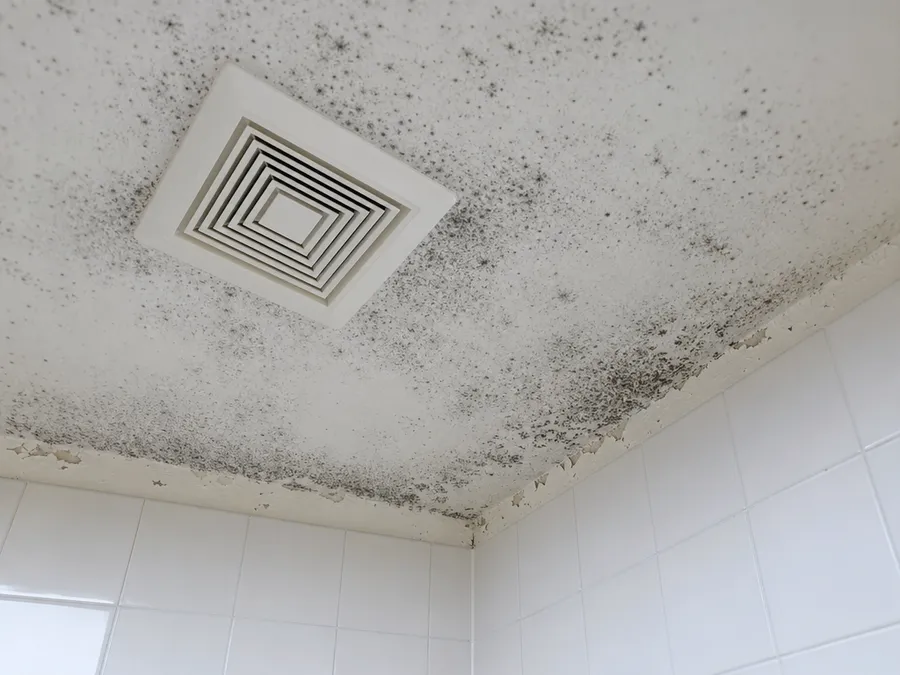
The EPA’s cut-off is size. A moldy area under about 10 square feet, a patch no bigger than three feet on each side, is usually a homeowner’s job by its reckoning. Anything larger, or mold that follows heavy water damage, sends you to its professional remediation guide. If you do it yourself, the federal cleanup guide for homeowners asks for an N-95 respirator at a minimum, goggles and gloves, and says not to touch mold or moldy items with bare hands.
Speckling on a shower ceiling is the classic small job. A spot on a wall that has been wet from the inside for months is not, however small it looks, because what shows on the painted side may be the edge of what is on the back.
Mold in a Chula Vista rental: what California law says
Under section 17920.3 of California’s Health and Safety Code, visible mold can make a dwelling legally substandard. Two limits apply. A health officer or code enforcement officer has to determine it, and minor mold is excluded where a surface is meant to take on moisture in ordinary use, the way a shower wall does. If you rent and the mold comes from a leak you did not cause, tell your landlord in writing and keep a copy. Whether it crosses the legal line is decided by one of those officers, not by this page, and nothing here is legal advice.