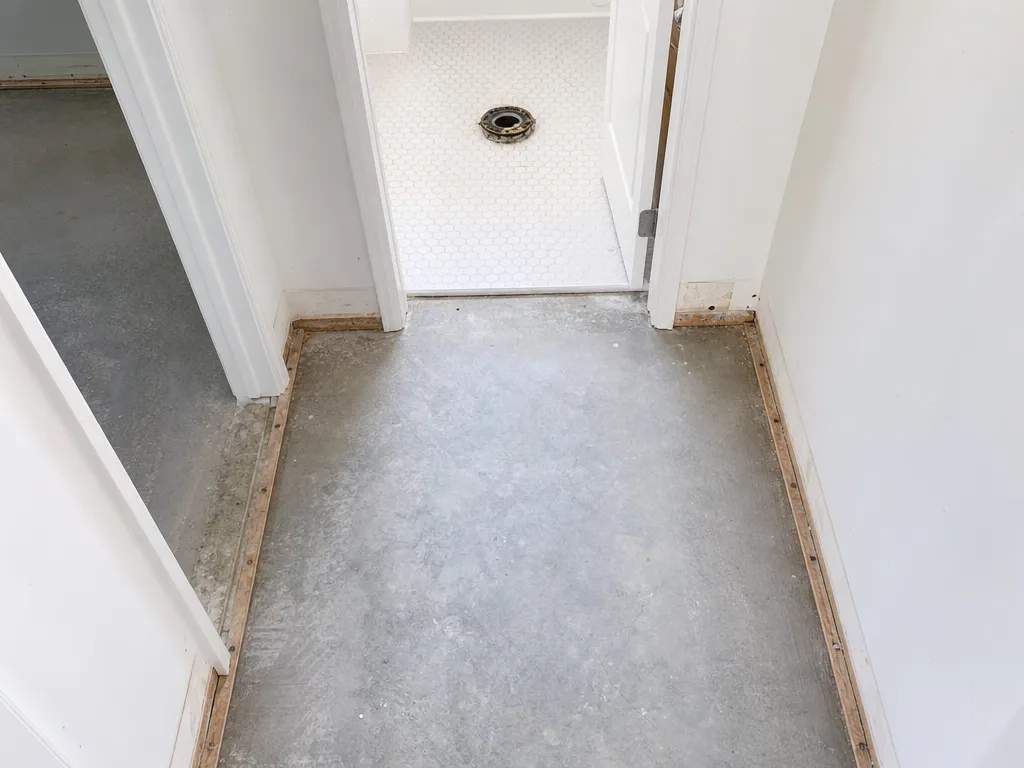
How sewage cleanup works after a backup
Sewage in a house is Category 3 water, the worst of the three categories the restoration trade uses. The IICRC, whose S500 standard sets those categories, describes Category 3 water as “grossly contaminated” and able to carry “pathogenic, toxigenic, or other harmful agents”, and it lists sewage first among the examples.
A backup usually shows itself at the lowest drain in the house, which is often a shower, a tub or a toilet. The first move costs nothing. When a lateral is blocked, the City of Chula Vista’s advice is to stop all water use: no sinks, no flushing, no showers and no laundry, because every drain in the house feeds the same pipe. Keep children and pets out of the area. The federal cleanup guide for homeowners warns that water carrying sewage can expose people to viruses, bacteria and parasites, and if you have to go near it, it asks for at least an N-95 respirator, goggles and gloves.
Clearing the sewer line is a plumber’s job, and this site does not pass on drain work. What the backup leaves inside the house is restoration. Anything it soaked that stays wet will also grow mold, which is why mold remediation so often follows a backup that was left to sit.
Sewer backup cleanup: what gets thrown out and what can be saved
The rule for anything a backup soaked is simple, and nobody likes it: if it absorbs water and cannot be cleaned and dried, it goes. The federal guide says to throw away anything wet with flood water that cannot be cleaned and dried completely within 24 to 48 hours, and it warns that flood water may have carried sewage. The EPA’s flood cleanup page puts the other half plainly: you can usually clean and dry materials that do not soak up water.
In a Chula Vista house that usually sorts out like this. Carpet and pad the sewage reached, the bottom of any drywall it wicked into, upholstered furniture, mattresses and cardboard boxes come out. Tile, sealed concrete, metal and glass can be cleaned and disinfected, then dried with the rest of the structure. Ask the company to walk you through which list each item is on before anything is carried out, and take photos first for your insurer.
Category 3 water damage
The categories decide how a job is handled and priced, so they are worth knowing. A Massachusetts state summary of the IICRC scheme puts them simply. Category 1 is clean water from a sanitary source, such as a supply line or a water heater. Category 2 is gray water, like a dishwasher or washing machine overflow, or a toilet overflow with urine but no feces. Category 3 is black water: sewage, toilet backflow with fecal matter and rising floodwater.
One detail in the IICRC’s own wording surprises people. It counts “wasteline backflows that originate from beyond any trap regardless of visible content or color” as Category 3. So a tub that fills from the drain side counts as sewage even if the water in it looks clean.
Sewage cleanup in Chula Vista, CA: who owns the sewer pipe
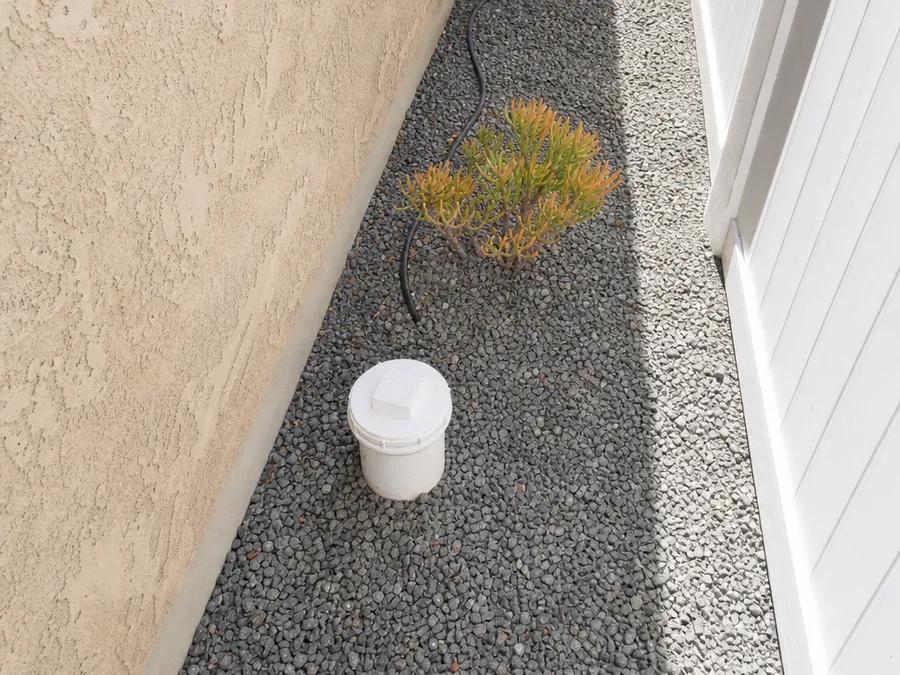
In Chula Vista the homeowner owns the lateral, the private pipe that joins the house to the City sewer. The City of Chula Vista’s sewer lateral page says the maintenance of the lateral “from the connection point with the public sewer to the connection with the building shall be the responsibility of the property owner”, and it names the usual culprits as grease and roots getting in through cracks. The City’s own crews look after the public system, which its wastewater division puts at approximately 511 miles of pipe.
In practice that splits a backup into two questions. A blockage in your lateral is yours to have cleared, by a plumber, often through the cleanout in the yard. A blockage in the City’s main is the City’s. The cleanup inside the house is the same either way, and it is the part a restoration company handles.
Sewage coming out of a cleanout or manhole
The City calls sewage escaping outdoors a sanitary sewer overflow, or SSO. Its overflow page describes it as untreated sewage coming out of a manhole, a broken pipe or a lateral cleanout, and it says not to dismiss wet areas that cannot be accounted for.
If the overflow is coming from your own cleanout, the City says the owner or tenant must take immediate steps to clear the blockage and stop the discharge. If it has reached the street, the public right of way or a storm drain, the City asks for it to be reported to Public Works Operations at once, and to the police line after hours. Both contacts are on the City’s page. A restoration company is for the damage and contamination indoors, not for the overflow outside.