How water damage restoration works in Bonita
Bonita homeowners with a leak or a flooded room can send one description here and have it passed to a restoration company near them. That company gets in touch, walks the house and quotes the drying and repair itself.
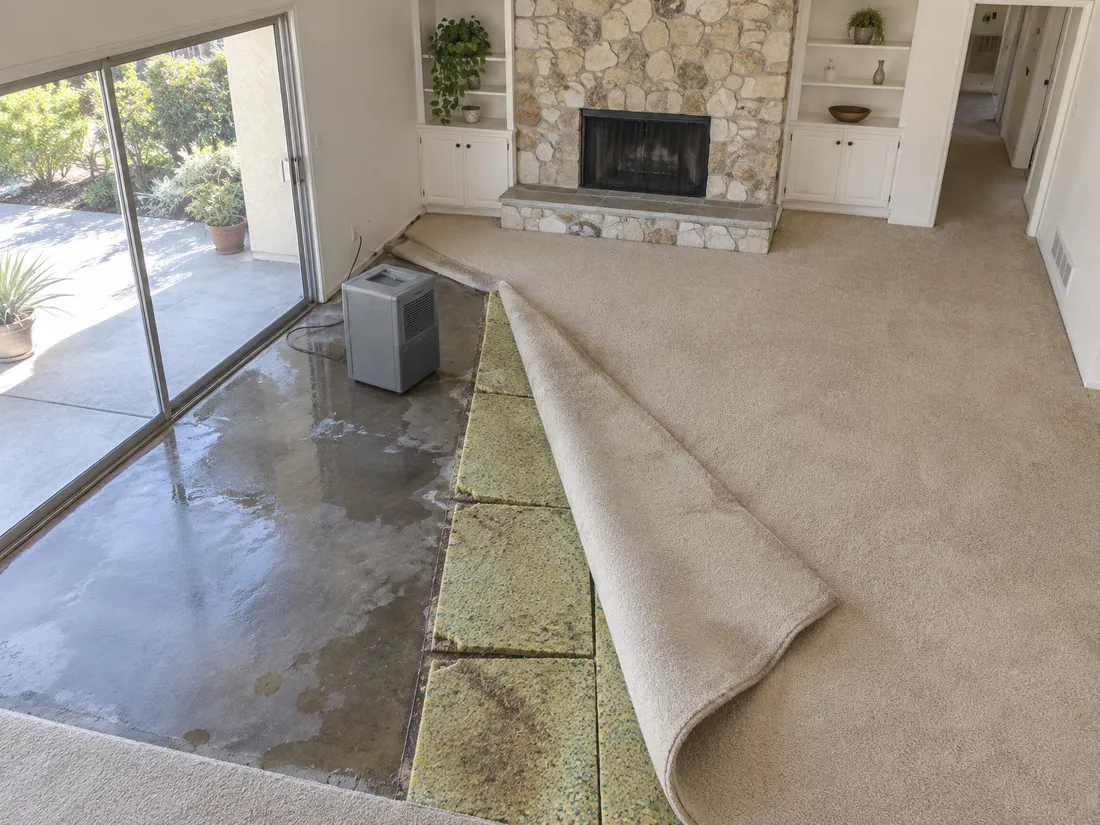
The job comes in three stages. Extraction takes out the standing water, including the water held in carpet and pad. Drying comes next and takes the longest: dehumidifiers and air movers run until the slab, the subfloor and the bottom of the walls read dry on a meter. Only then is anything rebuilt, because new drywall or flooring laid over a wet structure traps the water and grows mould. Carpet pad is the usual casualty. It soaks up water like a sponge and rarely dries clean, so it is often cut out in squares while the carpet above it is lifted, dried and, if the water was clean, laid again.
Bonita sits just outside Chula Vista, and the work is the same as water damage restoration in Chula Vista. The difference across the line is mostly paperwork, and in Bonita the paperwork has a few surprises.
Two water agencies name Bonita
Sweetwater Authority’s service area takes in Bonita, National City and most of western Chula Vista. Otay Water District also names Bonita among the communities its facilities serve. So before you rely on one agency’s leak rules, check which name is on your water bill.
The two treat a leak differently. Sweetwater’s advice is a meter check: shut off every fixture, write the meter down, leave the house dry for half an hour and compare. If the numbers differ, something is leaking. Sweetwater also offers customers a credit of as much as $100 toward a leak repair (Sweetwater rebates). Otay’s route is a leak adjustment request after the repair is done. Otay asks for proof of the repair, allows it once per location and adjusts one month’s bill rather than forgiving the whole loss.
Either way, a hidden leak that shows on the meter has been running into something. If the reading moved, look at what it soaked before you file the paperwork.
A sewer backup in Bonita, and the question of who owns the main
Here the published sources do not agree, and this page says so instead of guessing. The County’s sanitation district lists the unincorporated communities it sewers, and Bonita is not among them. Otay Water District’s general page names Bonita when it describes the sewer needs its facilities serve, but its own page on its sewer service area lists other communities. The City of Chula Vista says it bills Sweetwater Authority water customers for sewer service, without naming Bonita.
The practical answer is on your own paperwork. The agency that charges you for sewer service is the one to call about the main in the street, and that charge can arrive on the water bill, on the property tax bill or as a bill of its own. For the pipe between the house and the main, both agencies whose rules we could read, Otay and the City of Chula Vista, put it on the property owner.
The mess indoors is the same whoever owns the pipe. Sewage is the dirtiest category of water a house takes, and what it soaked is removed, not dried. The sewage cleanup page covers what can be saved and what cannot.
Repair permits come from the County
Because Bonita is unincorporated, a permit for rebuilding after water damage does not come from any city. The County of San Diego’s Building Services Division issues building permits for residential structures in the unincorporated areas of the county. If the rebuild replaces drywall, cabinets or plumbing on a scale that needs a permit, the company quoting it should know that the County is the office, not Chula Vista.
Along the Sweetwater River
Sweetwater Authority’s reservoir is reached from San Miguel Road in Bonita, near the County’s Sweetwater Summit Park, and both of the Authority’s reservoirs sit on the Sweetwater River. The river’s watershed runs about 230 square miles, from the Cuyamaca Mountains down to San Diego Bay.
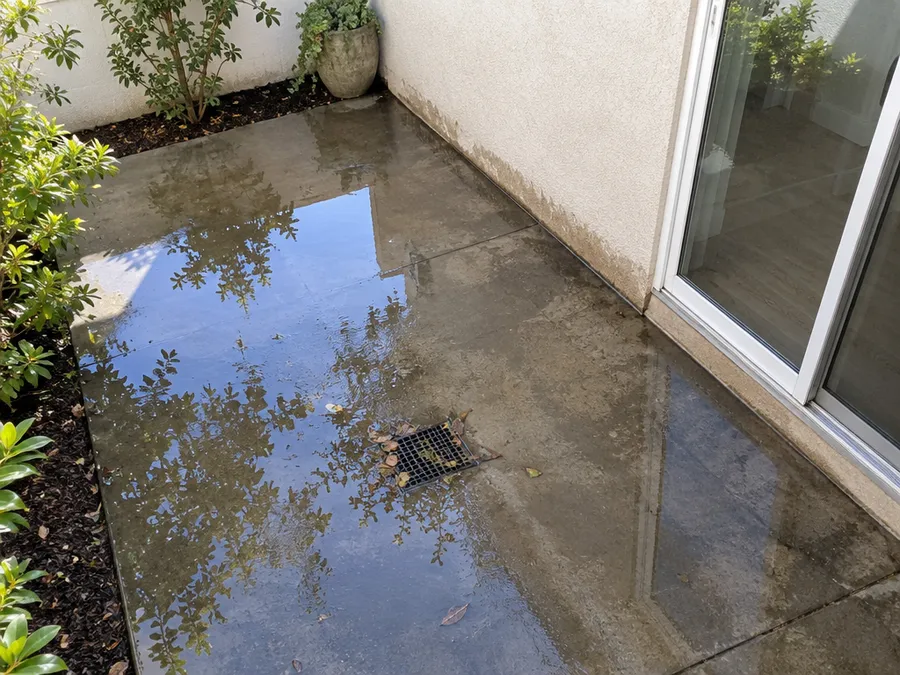
We found no government record of a recent flood in Bonita and will not invent one. Inside the house, water damage starts where it does anywhere: a supply hose, a water heater, a slow drain leak, or winter rain driven against a sliding door where a patio drain is blocked with leaves. That last one is worth checking before the wet season: a patio slab that sheds water toward the house will put it under the door sill.
Water left in carpet, pad or the foot of a wall past the second day is where mould gets going. If you already see it, the mold remediation page explains what removal involves. For the other nearby towns, see South Bay water damage help, including Imperial Beach.